SJJIF Belt system
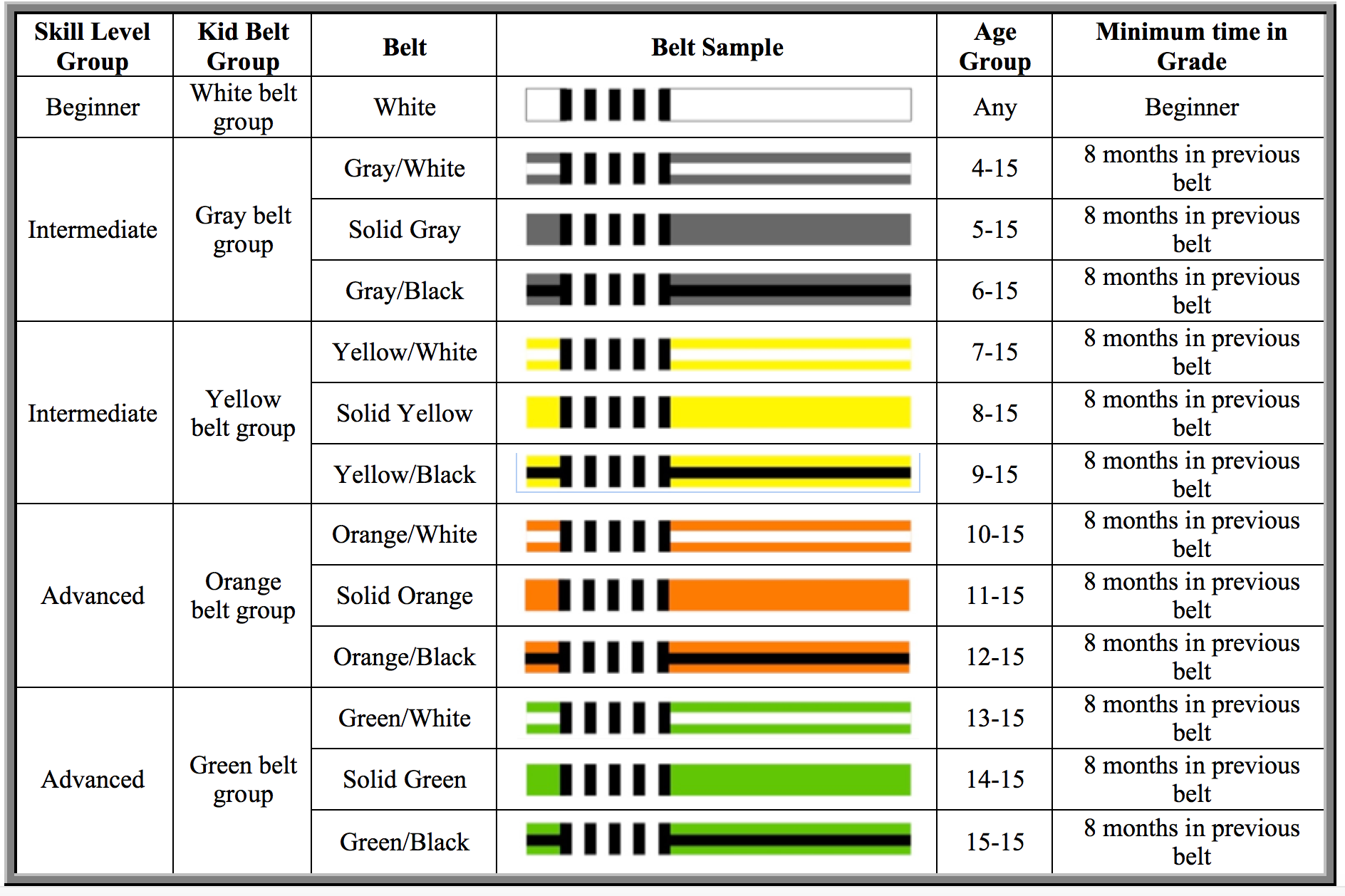
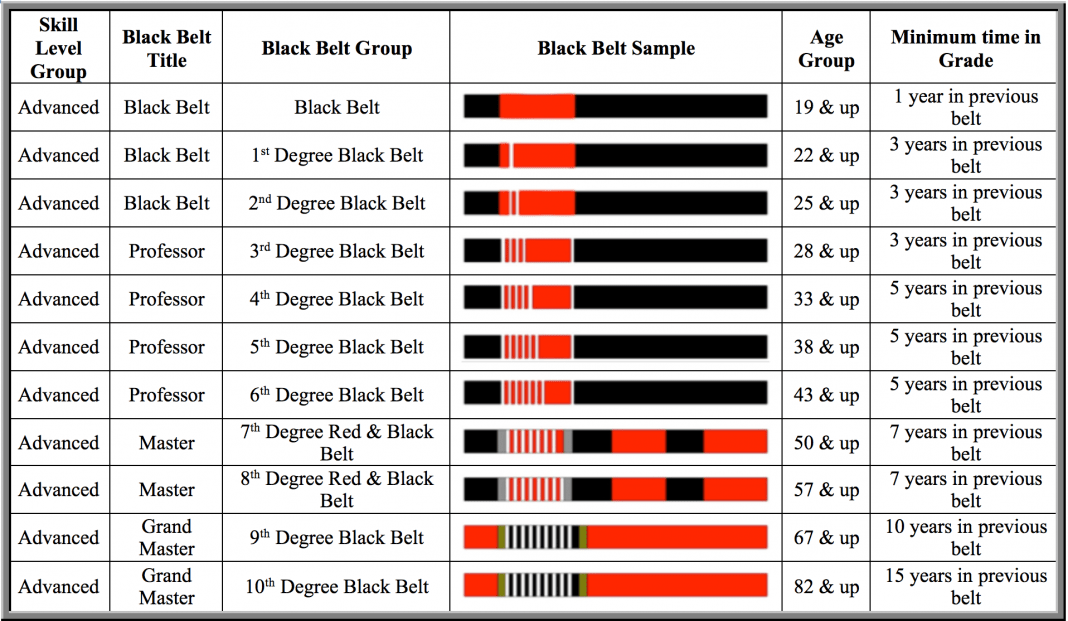
There are five primary belts in Brazilian Jiu Jitsu: white, blue, purple, brown and black. There are also usually four "degrees" or stripes for each belt below black belt, and six degrees at black belt. There are three additional belts after black belt to represent 7th degree and above, with the 10th degree red belt reserved for the.
Brazilian Jiu Jitsu Belt Color Order

The first belt you wear as a Brazilian jiu-jitsu student is the white belt. The color signifies your newness to the martial art and your desire to master the moves, techniques, and philosophies that guide jiu-jitsu. There are no age requirements for the white belt. Children as young as five or six wear it, as do adults just starting out.
The Ultimate Guide Brazilian JiuJitsu Belt System Elite Sports

The Brazilian Jiu-Jitsu belt system traces its origins to Judo's belt ranking system, introduced by Judo's founder, Jigoro Kano. Kano established this system to visibly differentiate students' levels of expertise, a concept that resonated with the founders of Brazilian Jiu-Jitsu. B. Influence from Judo's Ranking System.
sportsfresh Brazilian JiuJitsu Belt Rankings
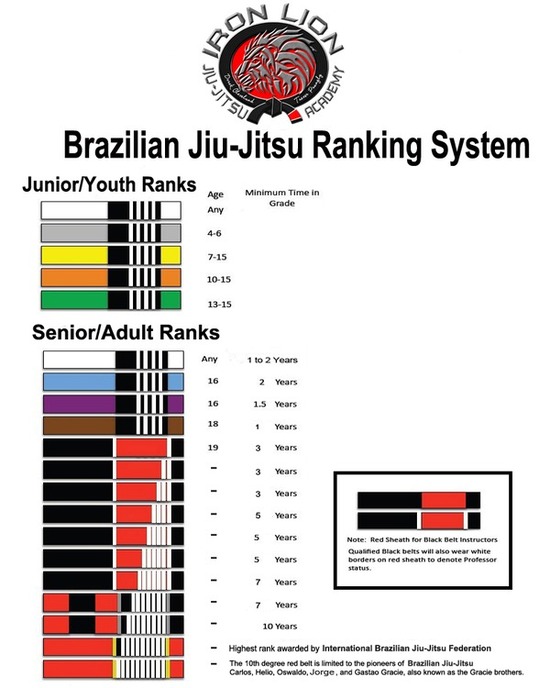
There is relatively little information written in English about the development of the color system of BJJ belts. However, it has been accepted by the official Jiu-Jitsu federation. Helio and Carlos Gracie developed the original Gracie Jiu Jitsu belt system in 1952. Black belts were used for the first time in 1967. The Brazilian jiu jitsu belts
Brazilian Jiu Jitsu Belts Gracie Jiu Jitsu La Mesa Brazilian jiu jitsu belts, Jiu jitsu

The Brazilian jiu-jitsu ranking system signifies a practitioner's increasing level of technical knowledge and practical skill within the art. Colored belts worn as part of the uniform are awarded to the practitioner. The ranking system shares its origins with the judo belt-rank system, but the Brazilian system incorporates some minor differences from Judo such as a division between youths and.
5 Simple Techniques For BJJ Belt Ranking System Telegraph

Overview of Brazilian Jiu Jitsu Belt Requirements. There is no uniform and universally accepted system of belt requirements for Brazilian jiu jitsu. However, there are some generally accepted principles and basic techniques that most practitioners would agree upon. In this section, we dive into the requirements to achieve each belt rank in jiu.
Kids Jiu Jitsu Belts What is the belt system in BJJ? Insight Brazilian Jiu Jitsu Carlos

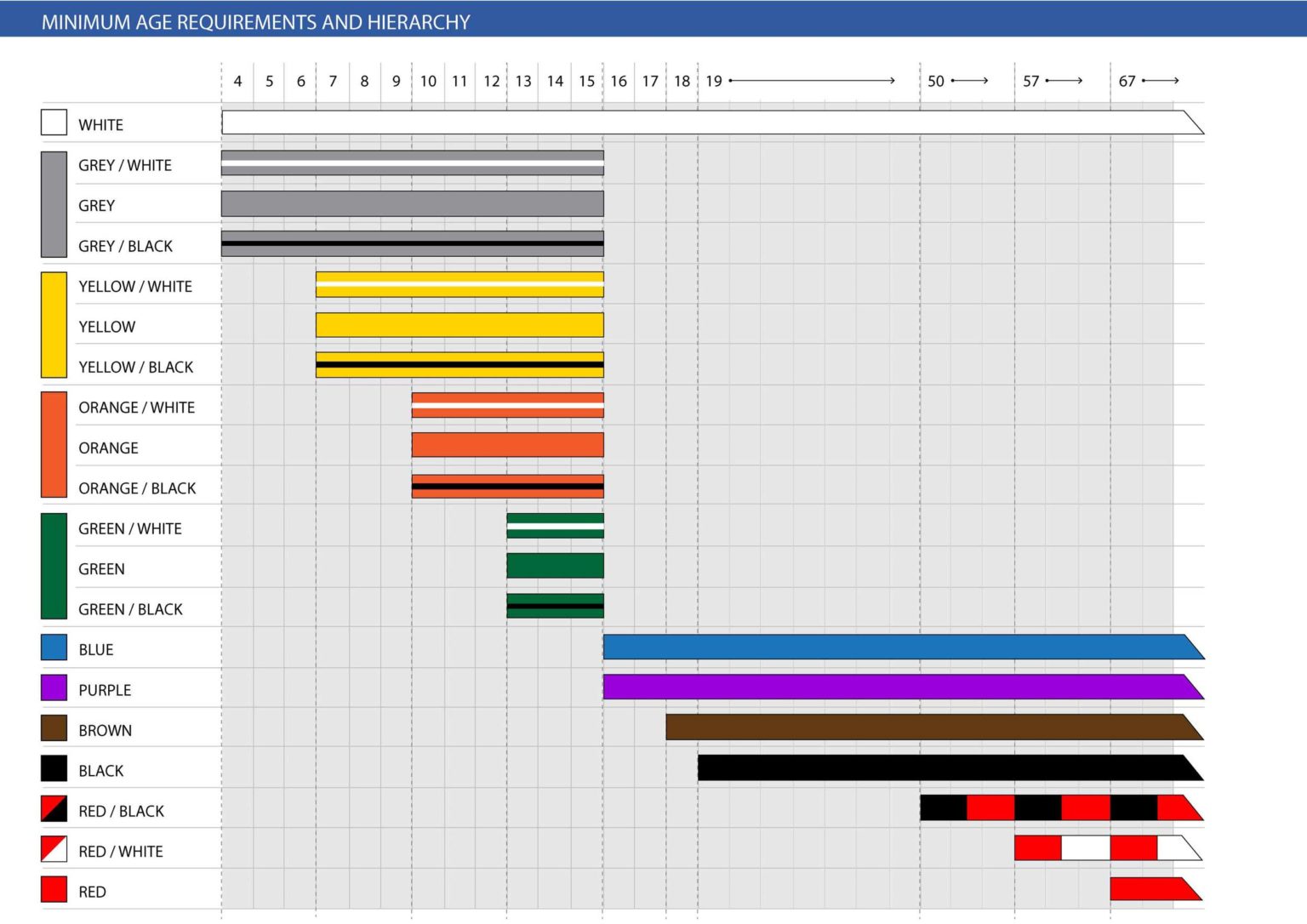
USJJF-Brazilian Jiu-Jitsu Rank Requirements Belt system and its related ages - 1. WHITE - Beginner, any age 2. GREY - 04 to 15 years of age 3. YELLOW - 07 to 15 years of age 4. ORANGE - 10 to 15 years of age 5. GREEN - 13 to 15 years of age 6. BLUE - 16 years of age or older 7. PURPLE - 16 years of age or older 8.
BJJ Belt Progression And Ranks A Roadmap BJJ World
In a momentous occasion for the martial arts community, former UFC flyweight champion Demetrious "Mighty Mouse" Johnson has been promoted to the coveted rank of black belt in Brazilian Jiu-Jitsu. This promotion marks a significant milestone in Johnson's esteemed grappling journey and solidifies his status as one of the premier grapplers.
Brazilian Jiu Jitsu Belts Gracie Jiu Jitsu La Mesa
Experienced practitioners of Brazilian Jiu-Jitsu (BJJ) often describe it as a journey—an extended adventure with peaks, valleys, triumphs, and defeats. This is both an accurate description and a reminder to students that BJJ is a marathon, not a sprint. After all, it is often said that a black belt is simply a white belt who never quit.
Breathing Labs Brazilian JiuJitsu Belt System The Journey to Black Belt
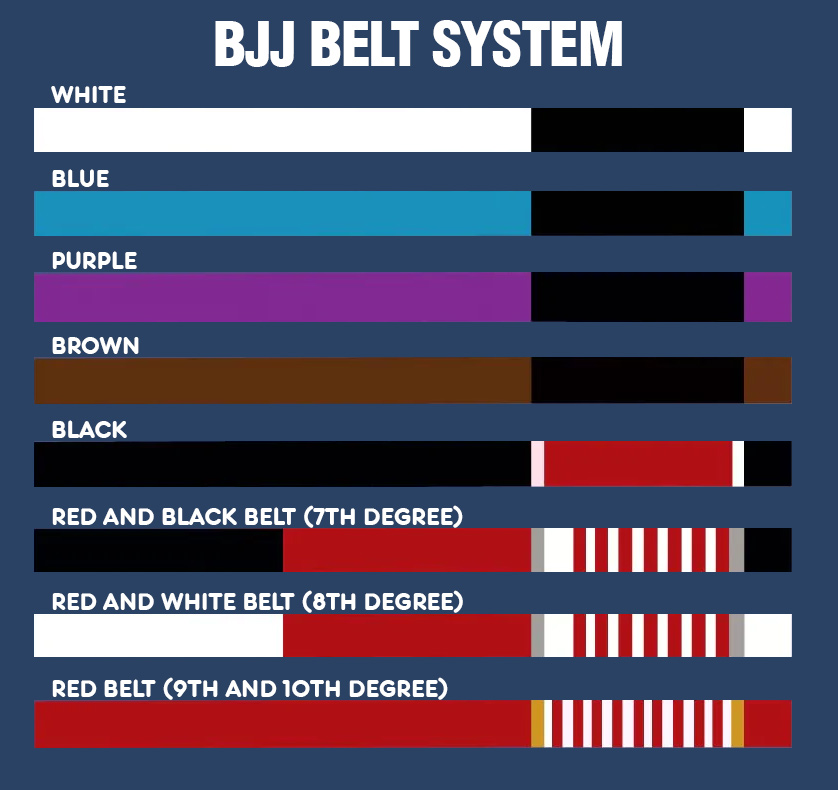
The Brazilian Jiu-Jitsu Belts Ranking System. In Brazilian Jiu-Jitsu belt system there are different colors of belts signifying different levels of knowledge, dedication, and experience of students. There are also belts for instructors and professors, as well as those reserved only for certain people in the sport.
jiu jitsu belt ranks Gravid Diary Frame Store

The belt ranking system in Brazilian Jiu-Jitsu (BJJ) traces its roots back to its founder, Carlos Gracie Sr., and his brother Helio Gracie, who developed the martial art in the early 20th century. This hierarchical system serves as a symbol of a practitioner's progress and skill level within the discipline of BJJ.
What are the Brazilian Jiu Jitsu belts? SoJ
The Five Main BJJ Belt Ranks. Brazilian Jiu Jitsu has five main belt ranks: white, blue, purple, brown, and black. Everyone starts at white, and very few ultimately make it to black. We've broken down each belt for you so you have an idea of what each belt rank signifies. Keep in mind that BJJ belts are not standardized, and your gym may have.
ROLL HARD IBJJF Kids Brazilian Jiu Jitsu Belts Rank System
.jpg)
The IBJJF requires a practitioner remain a black belt for a minimum of 3 years. As with many other martial arts, the black belt is the highest common belt within Brazilian jiu-jitsu, denoting an expert level of technical and practical skill.Estimates of the time required to achieve the rank vary, but all holders of this rank have thousands of hours of experience.
Brazilian Jiu Jitsu adult belts rank system. Vector illustration isolated on white. Bjj white

In Brazilian jiu-jitsu, the belt ranking system for children between the ages of 4 and 15 is designed to reward progress and encourage continued learning. After starting with a white belt, young practitioners can earn a series of colored belts before they are eligible for a blue belt at age 16. The International Brazilian Jiu-Jitsu Federation.
Brazilian JiuJitsu 101 Your Beginner's Guide To BJJ
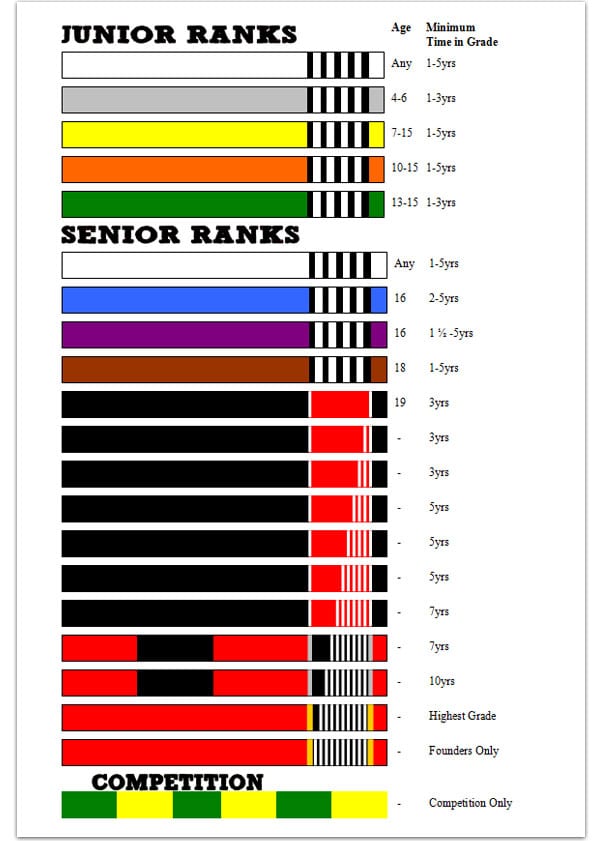
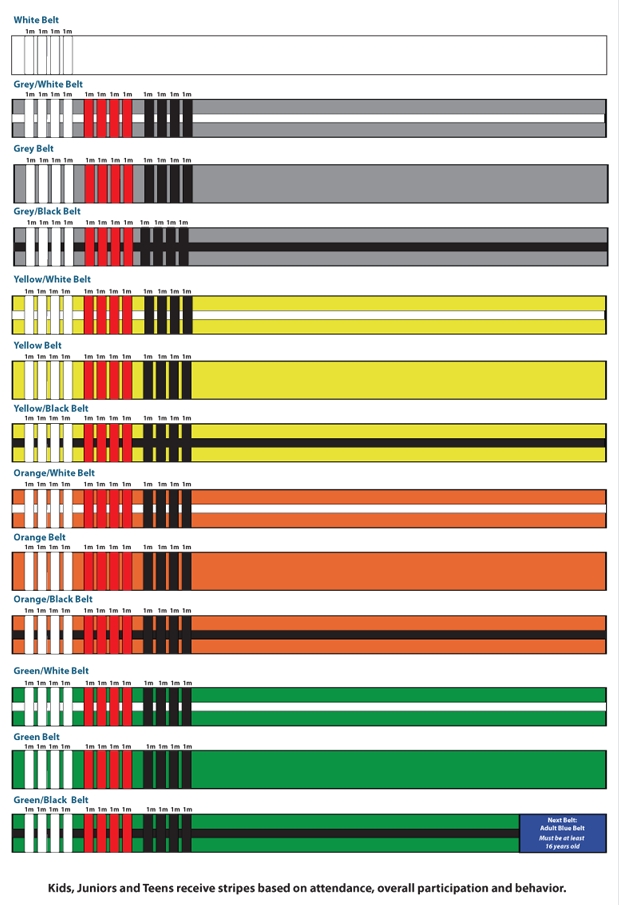
Brazilian Jiu-Jitsu Belts and Stripes Graduation System. Kids Belt System (15 years of age and younger) Children may be promoted through belts in the following order: white, grey/white, solid grey, grey/black, yellow/white, solid yellow, yellow/black, orange/white, solid orange, orange/black, green/white, solid green, and green/black.
How Many Stripes On A Jiu Jitsu Belt Belt Poster
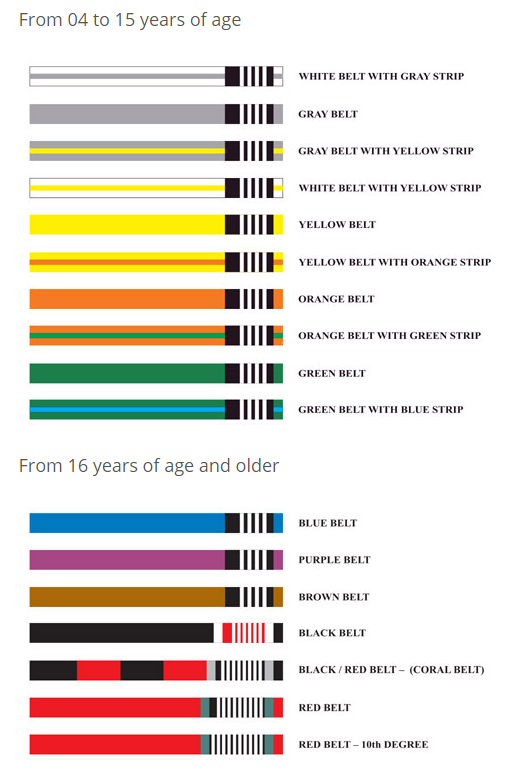
Jiu-Jitsu Belts System. BJJ makes use of the basic belt system that most martial artists use today. As we said earlier this system was formed around 1885 making it about 130 years old. This makes it a part of modern martial arts, seeing as some of the arts date back more than 2.000 years.
.